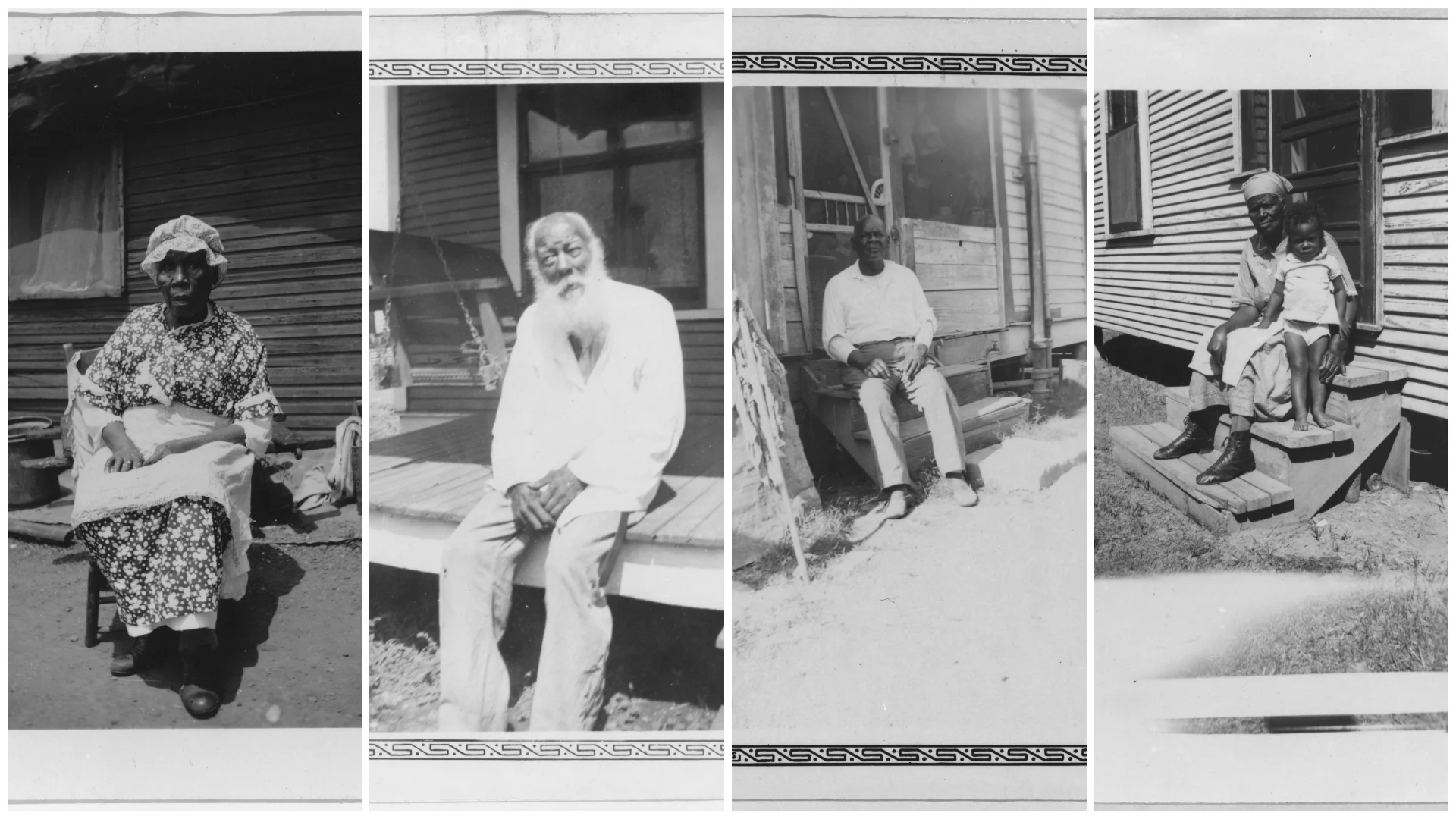
Three Visions of Provincial America
A brief comparative analysis of Carson McCullers’s The Ballad of the Sad Café, Flannery O’Connor’s Wise Blood and Marilynne Robinson’s Gilead.
Recently I managed to read three books, and all three were written by American women. All three also concern provincial America. Although I had not planned it beforehand, these three elements became the basis for the idea of writing a brief comparative analysis of the books.
So:
Americanness,
the provinces,
women authors.*
There were additional elements as well. All three books share a similar atmosphere, shaped by solitude, estrangement, alienation and a deliberate or forced need to draw a boundary — a wall separating the individual from society.
I chose two of the authors — Carson McCullers and Flannery O’Connor — because they had long been on my list of essential reading. I chose the third, Marilynne Robinson, because from time to time I try to reach for contemporary literature, whose lower boundary I set for myself at the year 2000.
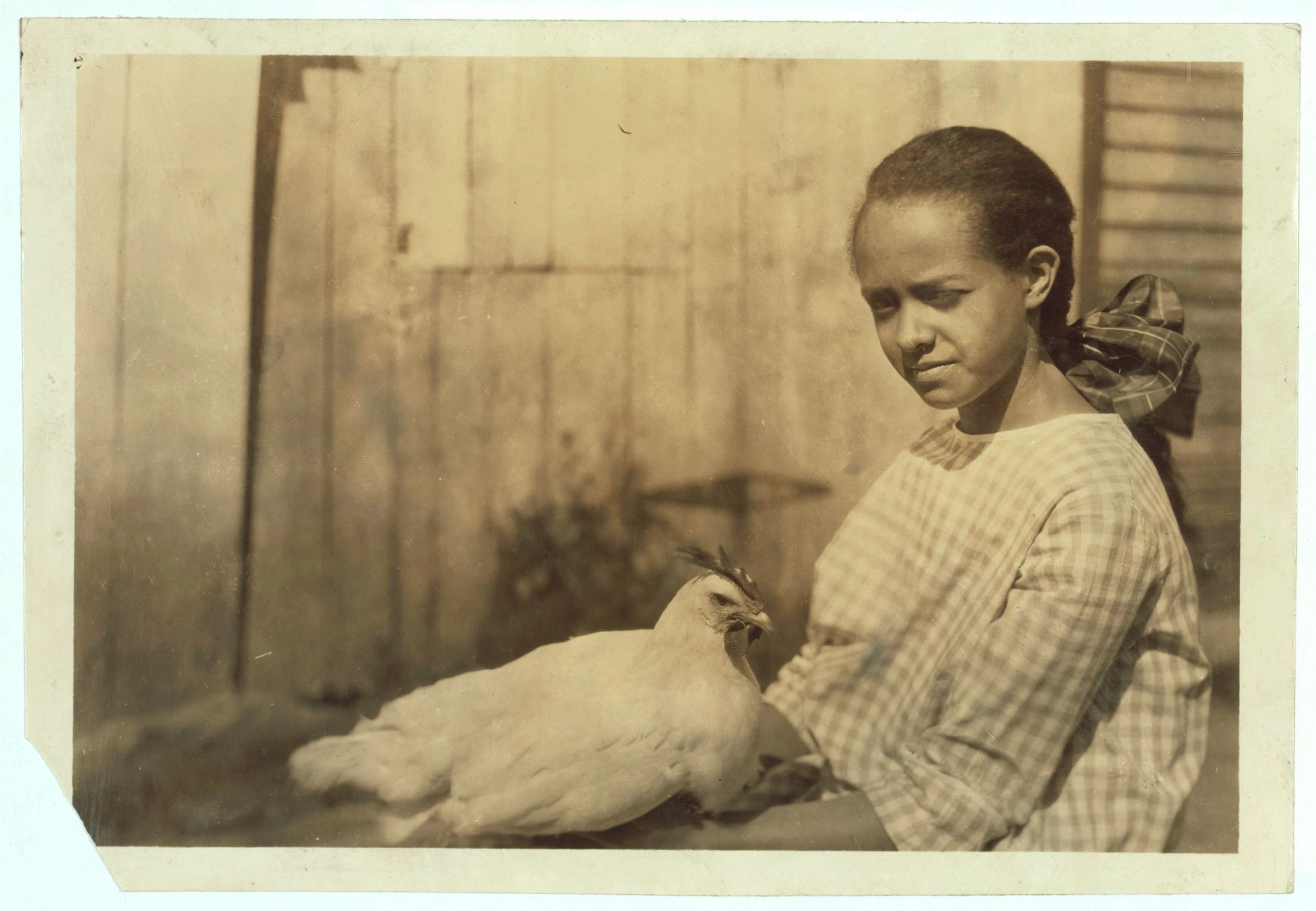
The first two authors have more in common with each other
than either has with the third.
McCullers and O’Connor lived at roughly the same time,
and their biographies partly overlap.
Both died relatively young; both were born and raised
in the American South, in the state of Georgia,
which had a significant influence on their writing.
Both also made the culture of that region
one of the central subjects of their work.
Finally, both published the books discussed here
at almost the same moment:
The Ballad of the Sad Café — 1951
Wise Blood — 1952
Although the action of the three books unfolds within somewhat different temporal perspectives, the reader may experience a surprising sense of unity. The Ballad of the Sad Café seems the most timeless: pre-war, isolated, suspended somewhere outside a specific date. Wise Blood already belongs to the post-war world, while Gilead takes place in the middle of the twentieth century, although its narrative form shifts some events towards the turn of the century. This impression of unity probably results from the slower rhythm of social and cultural change characteristic of provincial America. Distance from large urban centres makes history flow more slowly there, while old patterns of thought, customs and forms of life retain their durability across entire generations. As a result, all three books sometimes seem to take place not so much in the same period as in the same cultural reality.
The culture of the American South is one of the most distinctive and, at the same time, most complex phenomena in the history of the United States. It was shaped by the experience of slavery, defeat in the Civil War and a long-standing sense of separateness from the rest of the country. For many generations, the region remained strongly attached to a traditional model of life, local community and Protestant religion, which exerted a considerable influence on social and moral norms. To this day, the American South is associated both with hospitality and attachment to tradition, and with deep social divisions, conservatism and a difficult historical legacy. It is precisely the coexistence of regional pride, the memory of former conflicts, strong religiosity and a sense of distinctness that gives Southern culture its exceptional character. In the broader background of this culture there is also a Protestant imagination of guilt and sin, familiar, for instance, from Hawthorne’s The Scarlet Letter — not, of course, as a portrait of the South, but as one of the earlier records of the American religious mentality.**
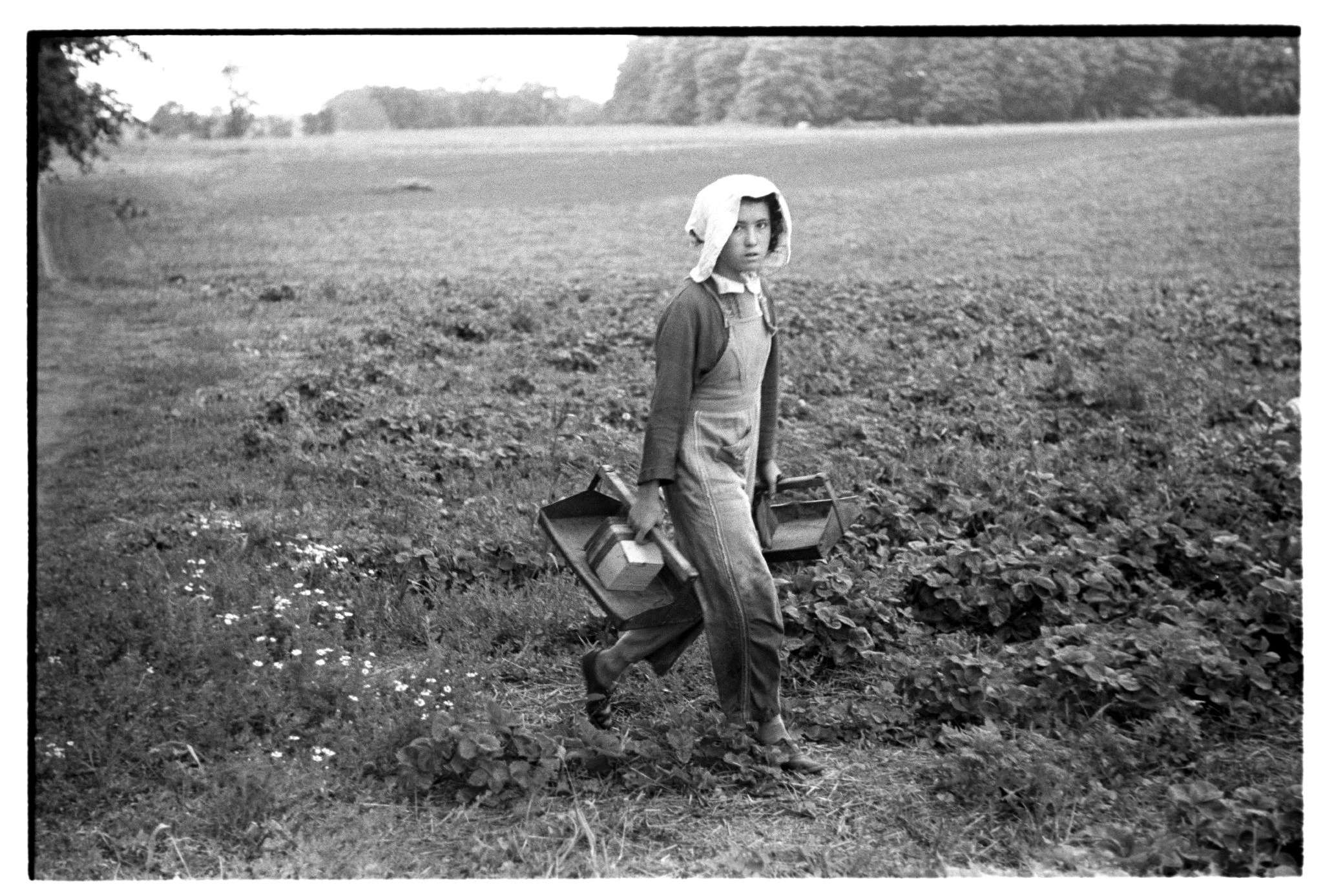
The authors do not colour or beautify this world. They show it in its naturalness, ugliness, and its psychological and physical deformities. Robinson, although she belongs to a different generation, moves through a similar atmosphere of wastelands and immense American spaces, where people must rely either on the support of their small community or on complete solitude and outsiderhood.
The protagonists of all three books are on the road, passing through, searching, arriving from somewhere, travelling somewhere else, or else the road itself forms a crucial element of their life experience. For the Protestant pastor in Gilead, a journey made with his father through the wild, sparsely inhabited American interior to the grave of his grandfather — whose fate is surrounded by controversial legend within the family and the local community — becomes an important part of his life, extensively recalled in his memories. We encounter both an element of traditional provincial hospitality, when a chance woman welcomes the weary, unknown travellers into her home, and an element of distrust, when the hungry protagonists are greeted with a shotgun while attempting to steal a carrot.
The protagonist of Wise Blood, Hazel Motes, returns from the war, but we very quickly gain the impression that he is not truly returning anywhere. His place of residence is temporary and transitional, as though he had stopped only for a moment. Motes is agitated, nervous and lost. He buys a dilapidated car that becomes at once his shelter, substitute home and mobile pulpit for the Church Without Christ that he preaches. Eventually he tries to move on, but a policeman stops him and deprives him of the vehicle. For a transient figure such as Motes, it is a blow from which he never recovers. Deprived of the possibility of remaining on the road, he falls into apathy, numbness and pseudo-religious self-destruction.
The key figure in The Ballad of the Sad Café, Cousin Lymon, also arrives from nowhere in particular, for no clear reason and for an unknown length of time. He stirs up the town, becomes its peculiar attraction and, for a while, drives the café’s business. Later, however, he leaves in disgrace, abandoning pain, incomprehension and solitude behind him.
The dominant element linking all three books is precisely this all-encompassing solitude, arising from maladjustment, incomprehension or a conscious separation from others. It can be covered by a kind of pride, as in Amelia Evans, or by bravado, as in Lymon.
Cousin Lymon is hunchbacked, physically weak, talkative and strangely magnetic. He brings into the town an energy that had not existed there before. Amelia Evans, a woman strong both physically and economically, marked by the failure of her brief marriage to Marvin Macy, finds in him something resembling a kindred spirit, a friend and a business partner. The relationship between them seems bizarre and extraordinary to the townspeople, but, pleased with the café, they quickly accept this unusual alliance. The tragic strand of the novel is driven by the return from prison of Amelia’s former husband. After his return, the fragile balance is destroyed, and the wounded woman seals herself inside solitude for the rest of her life.
Hazel Motes is lonely and misunderstood from beginning to end. He usually moves alone, barely tolerates interest in himself and flees from attempts to form any closer relationships. Through his idea of the Church Without Christ, he effectively casts himself outside the community. His clumsy attempts to communicate his absurd and at the same time desperate ideas become a way of separating himself from the people he hates, producing still greater alienation and exclusion from ordinary social life. In time, this leads him into madness.
In Robinson, the protagonist’s solitude is somewhat different. It seems to arise from deliberately chosen seclusion, but also from age, routine and a long life lived on the margins. The main character is a respectable, orderly pastor; he has a wife and a son, yet he spends most of his life alone, bent over his weekly sermons. His solitude consists in not living life in its fullness. It is confined to a small town, fixed rituals, the same places and the same faces. Here one sees the full power of the American expanses, where individual settlements are almost isolated administrative and social units. A person remains merely a small, insignificant grain of sand at the edge of great history.
All three books are also linked by the strong presence of nature. It is not merely a decoration for events, but the characters’ natural environment. Vast fields, roads leading through deserted areas, hot summers, small towns surrounded by open space and a rhythm determined by the seasons create a world distant from metropolitan haste. Nature reminds us here of the durability of things that exist independently of human dramas, while at the same time emphasising the solitude of characters living across the immense spaces of provincial America.
Another key element linking the books is the strangeness of their characters. It is as though isolation across great spaces produced a separate type of person, who eventually decided that they could be themselves precisely because everyone around them carried some kind of deficiency. This difference is both physical and psychological: from the physically deformed Lymon, through the increasingly deranged Motes and Enoch Emery, consumed by an obsession with necrophilic overtones, to the ascetic Ames of Gilead.
Turning to the writing itself — the literary quality of the books under discussion — I should emphasise that everything I write here is solely my subjective opinion. I am not attempting to establish any objective rules for receiving these works.
McCullers’s book decisively wins this literary race, because it is a book that — as I put it — poured out of the author. That is how I experience it as a reader, and no possible explanations about how hard or easy, where or when the text was written are relevant here. The death of the author! This postmodern concept of Roland Barthes has become a permanent part of literary criticism. As a reader, I feel that it came easily. The author did not struggle while writing, and the reader does not struggle while reading. It is as though the creator had the entire story already complete in her mind; she does not allow the narrative to meander or expand the secondary plots excessively. The story is clear, coherent and written with unmistakable literary talent. Only after reading it did I look at the educational backgrounds of the three writers. Of the three, McCullers had by far the least academic preparation, having completed secondary school and a few writing courses. One is tempted to say that it shows — but in a good sense. This is writing that goes wherever the author’s intuition leads her. The second important point is that McCullers had played the piano since childhood and took music very seriously. For many years she practised intensively, and her teachers regarded her as talented. She planned a musical rather than a literary career, but a lack of money forced her to abandon music studies in New York. In my view, this has a very beautiful significance for her work. A true artist can fulfil themselves in many different fields; someone who is merely a craftsman learns a single trade. I usually try to avoid such radical statements, but here I could not resist.
The subject of the connections between music, other arts and literature, and of the ways in which they penetrate one another, would itself provide material for a separate book, so we will not develop it here.
Publicly available biographies show that the other two authors received a far more thorough and academic education at prestigious universities. And yet, at least in my reading, they do not emerge as literary winners beside McCullers. Here another dangerous and generalising thesis appears: can education sometimes interfere with creativity? And literary education all the more? Can an excess of awareness of construction, form, tradition and technique sometimes deprive writing of the primal lightness that can be felt in The Ballad of the Sad Café almost from its first pages?
Although O’Connor herself admits in her note to the second edition of Wise Blood that “the book was written with passion and, if possible, should be read that way,” I find that passion difficult to detect. Unless we mean a kind of camp passion, bordering on kitsch, in Susan Sontag’s sense. Yet I would not want to call the novel kitsch either. I would rather say that it is slightly unsuccessful in the very manner in which it presents its world. The characters seem unfinished, and the story about them also remains unfinished — as though everyone limped on one leg or could see through only one eye. Their dialogues are fragmented, slight, nervous and uneven. The literary material itself does not allow a final judgement as to how deliberate this concept may have been, but in my first response as a reader the narration is unconvincing. In this book even the protagonist’s car seems like its own reflection in a distorting mirror. The ending only intensifies the strange tension and agitation contained throughout the novel.
The most contemporary of the three, Marilynne Robinson, holds a doctorate and taught literature at university. And once again, one is tempted to say that this can be felt. Hers is already intellectual, carefully conceived writing, as though the plan of the novel, its form and structure had been created first, and only afterwards were sentences strained through that concept. This is one way of making art, and sometimes not a bad one, if we recall the excellent novels of Umberto Eco or Robert Graves. In such authors, intellectual construction, historical knowledge and erudition do not kill literature, but become one of the sources of its energy. Here, however, the author may have been hindered in achieving a more exciting effect by choosing as her protagonist a man whose life is exceptionally dull, and by being unable, for lack of literary talent, to extract from him anything more than that dull life. After all, one can write about anything, including digestive problems, as Roth’s Portnoy’s Complaint or Rijneveld’s The Discomfort of Evening demonstrate. The only important thing is how it is done. Very well, perhaps I exaggerated slightly with the lack of talent, because Mrs Robinson can obviously construct correct and often very beautiful sentences — she did win the Pulitzer Prize, did she not? ;) The problem is that the words on the page lack the spark of animation and excitement that might pass to the reader.
And we were not supposed to touch the authors, only the work itself. Can they — or in this case, rather, can these women — truly be killed off? Apparently not :)
* I use the term “women authors” here in the sense of traditional biographical and literary classification. In the case of Carson McCullers, however, it is worth remembering that her biography and work are also read today in the context of non-heteronormativity and the crossing of socially defined gender roles.
National Council on Public History — Carson McCullers
New Georgia Encyclopedia — Carson McCullers
** Sources used for the synthetic description of the culture of the American South:
Encyclopaedia Britannica — United States: The South
Charles Reagan Wilson, “Religion and the US South”, Southern Spaces